Did you know that certain colors naturally resonate with your personality?
When most people think of color, they think in simple terms—red, blue, green, yellow. But color is far more nuanced than that. Each hue carries a range of variations that shift how it feels, how it’s experienced, and how it expresses.
And that’s where things get interesting.
Because the colors you’re drawn to—and the way you experience them—can reveal something deeper about how you’re wired.
The 3 Attributes of Color
Color has three attributes: hue, chroma (saturation), and value. Adjust the percentage used in one and you get a new color.
Hue
The family name for a true hue identified in the spectrum or color wheel. For example, RED is a hue, pink is a color derived from hue.
Chroma
Chroma relates to the intensity of color: from dull to bright. It distinguishes a color's vividness and determines color personality.
Value
Value relates to the lightness or darkness of a color. The Gray Scale is used to determine value with 0 being black and 10, white.
These three attributes are crucial in defining color and many artists have used this knowledge for years to convey feeling and emotion in their paintings.
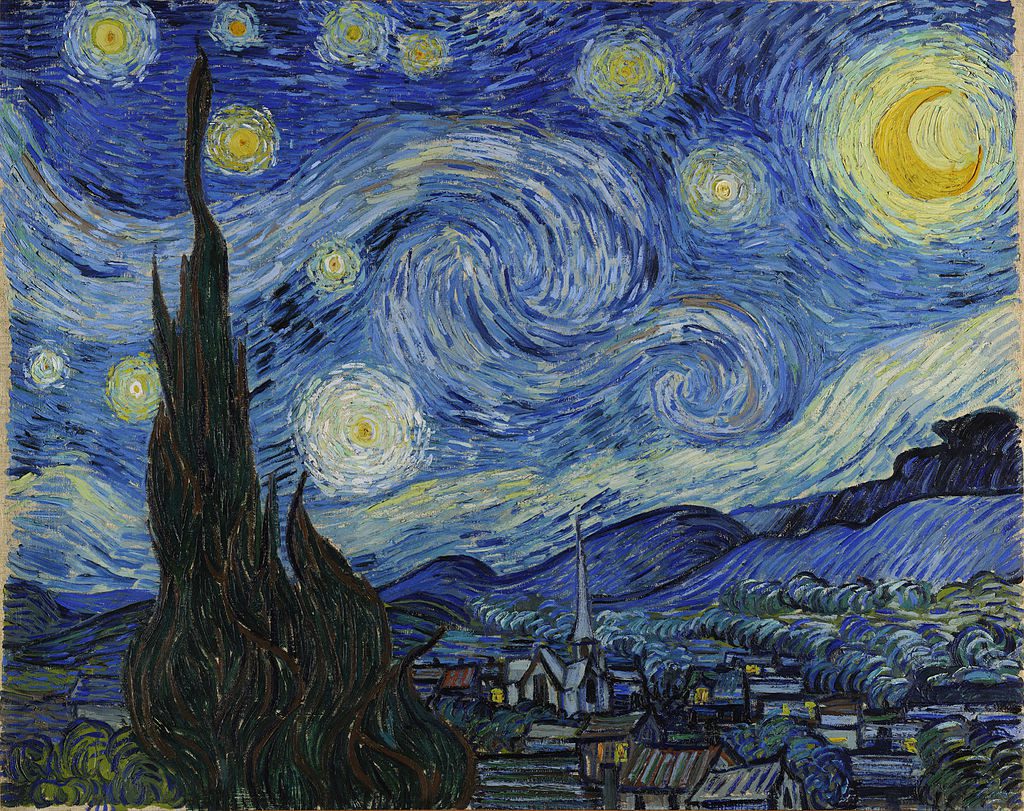
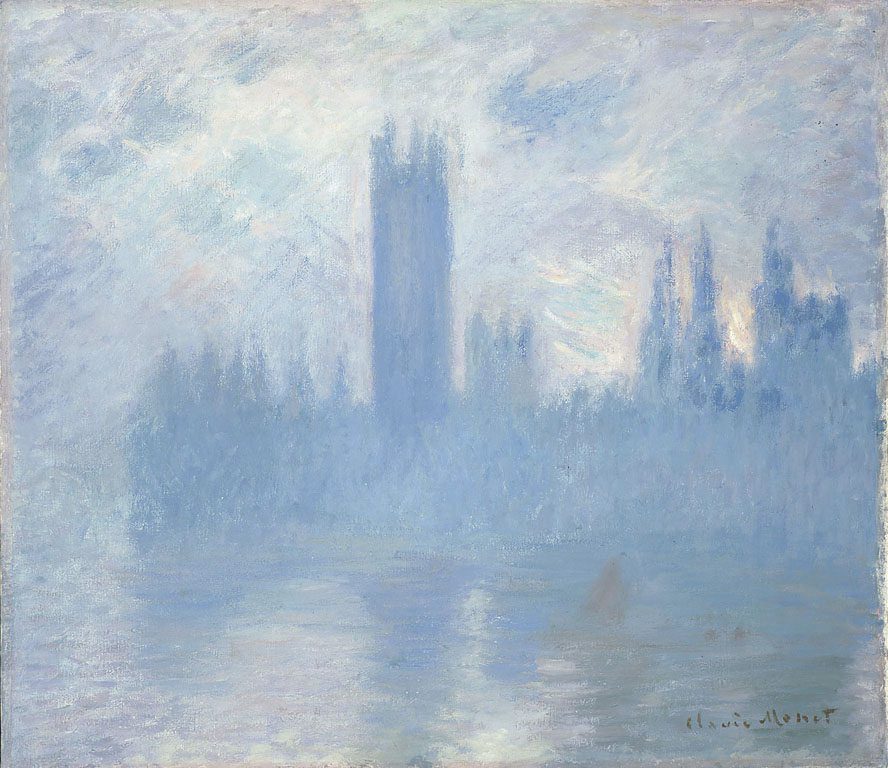
Comparing van Gogh to Monet, you can see and feel the difference of color quality. Where van Gogh uses brighter chromas and deeper values in Starry Night, Monet uses duller chromas and lighter values in Houses of Parliment.
The energetic and active yellows and oranges are in harmonious contrast to the deeper blues and purples, whereas the muted and analogous blues and purples Monet used are more peaceful and soft.
Chroma Chameleon
So, how does chroma relate to you? Chroma is not only an attribute of color, it plays a key role in personality and mood.
It takes Value into consideration but it’s mostly defined by how we mix colors together to get new colors and how those colors create unique intensities and evoke specific feelings and emotions.
We can change chroma by mixing the true hue – I use Munsell’s 5R (5 Red) as an example below – with white, gray, black, brown or warm gray.
For the sake of this example, we’re not going to get into the mixing color with other colors so we’ll stick to simple basics.
Animated
Red (5R) – True Hue of Red
Clear
Tinted with White
Subdued
Toned with Gray
Deep
Shaded with Black
Dynamic
Toasted with Brown
As you can see, the colors in the 5R Red family have very unique and different qualities.
- The Animated version shows the true hue in it’s brightest, saturated form. It’s very lively and can be considered loud if dominant.
- Clear is lighter and crisper with
- Subdued being soft and subtle.
- Deep goes…well, deep; it’s moody, dramatic, mysterious.
- And Dynamic warms up a color…it’s rich and toasty.
We are attracted to the colors that make up our own personal coloring.
As such, it’s helpful to notice which color chroma you’re most drawn to, as it often reflects—and can even amplify—your natural energy and personality.
Ready to Discover Your Color Personality?
This work is evolving into a deeper system I’ll be sharing in my upcoming book—where you’ll be able to explore your dominant and supporting color frequencies in a much more integrated way.
For now, simply begin by noticing what you’re drawn to—and how those colors make you feel.